Should You Repair or Replace Your Water Heater? A San Diego Homeowner’s Guide
Is your water heater not working like it used to? For San Diego homeowners, factors like the age of the unit, hard water, leaks and frequent repairs can help determine whether a repair or replacement is the better option.
Below, we’ll go over some of the most common causes of water heater problems and help you understand when repairing your water heater may make sense versus when replacement could be the better option.
5 Common Water Heater Issues
1. Corrosion
Popping, banging, rumbling, or crackling sounds can indicate sediment buildup or other issues.
2. Leaking
Water may be coming from the tank, connections, valves, or pipes.
3. No Hot water
The water stays cold even when the heater is running.
4. Sediment Buildup
Minerals can collect at the bottom of the tank, reducing efficiency and contributing to noise.
5. Pilot Light Keeps going out
Common with some gas water heaters and may point to an issue with the thermocouple, gas supply, or burner
Repair Or replacement?
Now that you know some common issues with water heaters, lets go over what your best option is!
Repair
Not every water heater problem means you need a new unit. If your water heater is relatively young and the tank is in good condition, repairing a faulty component may be a practical way to get your hot water back without replacing the entire system. Here are some reasons why repair might work best for your household:
- The unit is relatively new and still has plenty of useful life left. If your water heater is fairly new and the tank is in good condition, repairing the issue may allow you to get many more years of use from the unit.
- The problem is minor, such as a faulty thermostat, heating element, valve, or other replaceable component. If the issue is caused by a faulty thermostat, heating element, valve, or another replaceable part, a repair may be all that's needed.
- The repair cost is reasonable compared with the cost of replacement. If the repair is relatively straightforward and your water heater is otherwise in good condition, repairing the issue may be a practical option. Comparing the cost of the repair with the age and overall condition of the unit can help you decide whether fixing the current problem makes sense.
- The issue is caused by sediment or mineral buildup that can be addressed with proper servicing. If the buildup is the primary cause of the problem and the unit is otherwise in good condition, professional servicing such as flushing the tank and inspecting the heating components may help remove the buildup, improve performance, and extend the life of the water heater.
- The manufacturer warranty may cover the repair, helping reduce the cost. Depending on the age of your water heater and the terms of its warranty, certain parts or repairs may be covered. Checking your warranty before moving forward with a repair can help you understand what may be covered and potentially reduce your out-of-pocket cost.
If your water heater is still in good condition and the issue is isolated to a specific component, a repair may be all you need. However, if problems continue or your water heater is showing signs of age, it may be time to consider whether replacing the unit makes more sense.
Replacement
In some cases, replacing a water heater may be worth considering, particularly when the unit is older, has significant damage, or continues to experience problems. Here are some situations where replacement may be an option:
- The water heater is nearing the end of its lifespan. Most traditional tank water heaters last around 8–12 years, although factors like hard water, usage, maintenance, and the condition of the unit can affect how long it lasts. If your water heater is approaching the end of that range and you're experiencing frequent issues, it may be worth having it evaluated to determine whether repair or replacement makes sense.
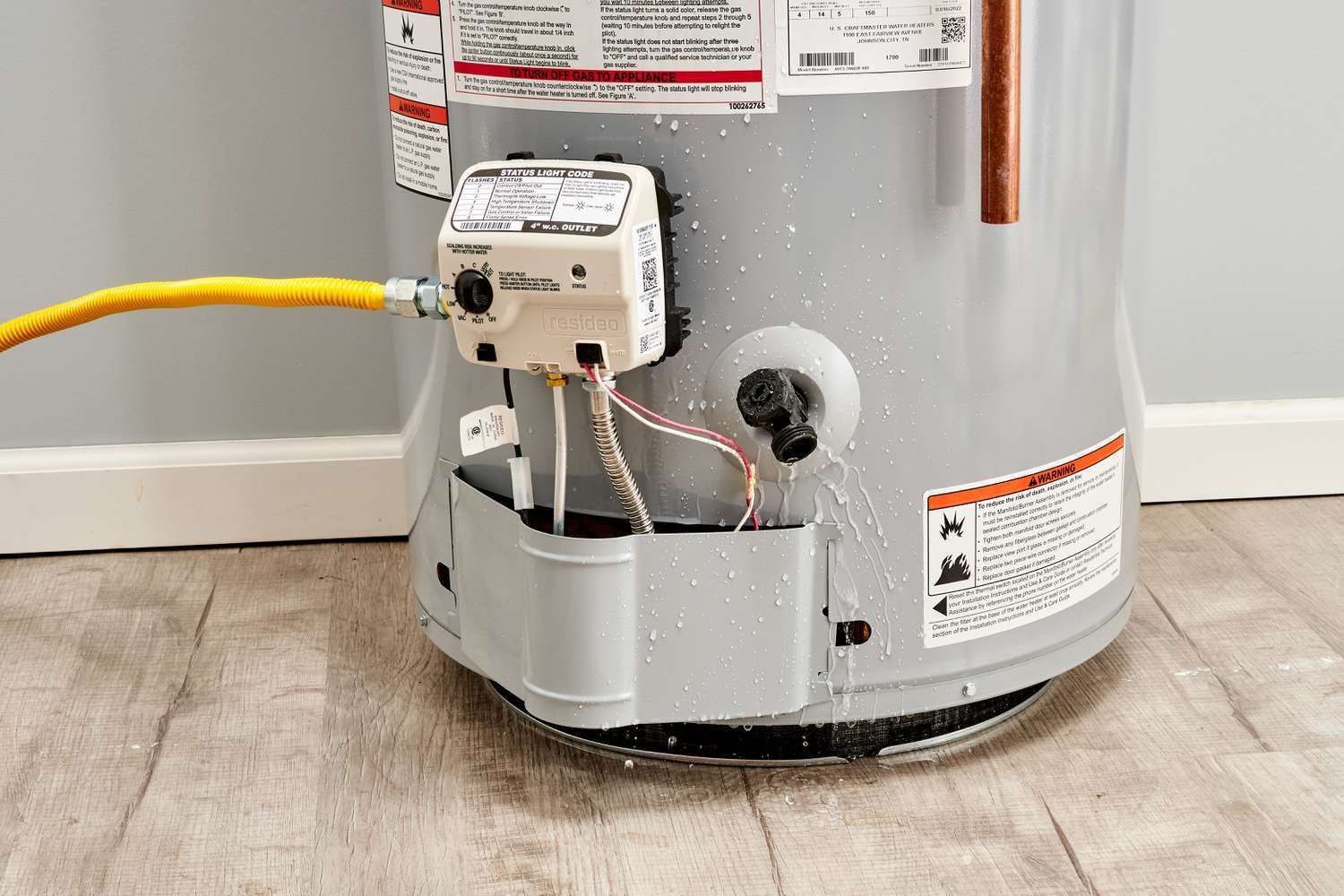
- The tank is leaking or has significant corrosion. If the water heater tank itself is leaking or showing significant corrosion, replacement may be necessary because the tank cannot typically be repaired. Replacement may also be worth considering when an older unit has recurring leaks, extensive rust, or other ongoing issues that make continued repairs less practical.
- You want to avoid an unexpected water heater failure and potential water damage. Water heaters can sometimes fail with little warning, especially as they get older. A sudden tank leak can release a significant amount of water and potentially damage floors, walls, cabinets, or other areas of your home. Keeping an eye out for signs of wear and addressing small issues early can help reduce the risk of an unexpected failure and costly water damage.
- Your energy bills have noticeably increased. As a water heater gets older, it may become less efficient and require more energy to heat the same amount of water. If you notice your energy bills increasing without a major change in your household usage, your water heater could be one factor to consider.
- The unit makes frequent popping, banging, or rumbling noises. Unusual sounds coming from your water heater can be a sign of sediment or mineral buildup inside the tank. As the water heats, trapped water beneath the buildup can create popping or rumbling sounds. Over time, this buildup can affect the unit's efficiency and performance, so it's worth having your water heater inspected to determine the cause.
Ultimately, there isn't a one-size-fits-all answer when it comes to repairing or replacing a water heater. The age and condition of your unit, the type of problem, how often it needs repairs, and even where you live can all play a role in deciding what makes the most sense for your home. In San Diego, hard water can contribute to mineral buildup inside your water heater over time, which can affect efficiency, contribute to unusual noises and put additional strain on the system. Taking all of these factors into account can help you make an informed decision about whether repairing your current water heater or replacing it is the right choice for your home.
Not Sure What Your Water Heater Needs?
When you're having trouble with your water heater, sometimes the best place to start is simply having someone take a look. MasterCraft offers free estimates, so our team can come out, assess the issue, explain what we find, and answer your questions. Whether your water heater needs a simple repair, a replacement, or something else entirely, we'll give you the information you need to make an informed decision that's right for your home!
Click the yellow button on the bottom right or give us a call to schedule a time for our team to take a look.