
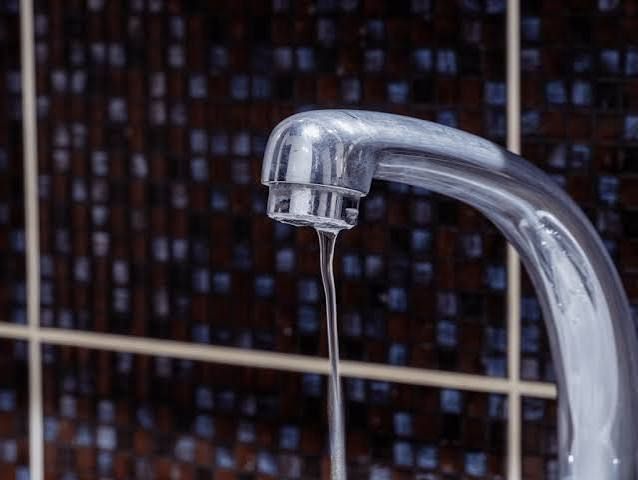
Water flow refers to how much water actually comes out of a fixture. You can have normal water pressure but still experience low flow if something is restricting the water, such as a clogged showerhead, faucet aerator, valve, filter, or buildup inside the pipes.
Why Do I Have Low Water Pressure?
Fiona Stevens • October 9, 2026
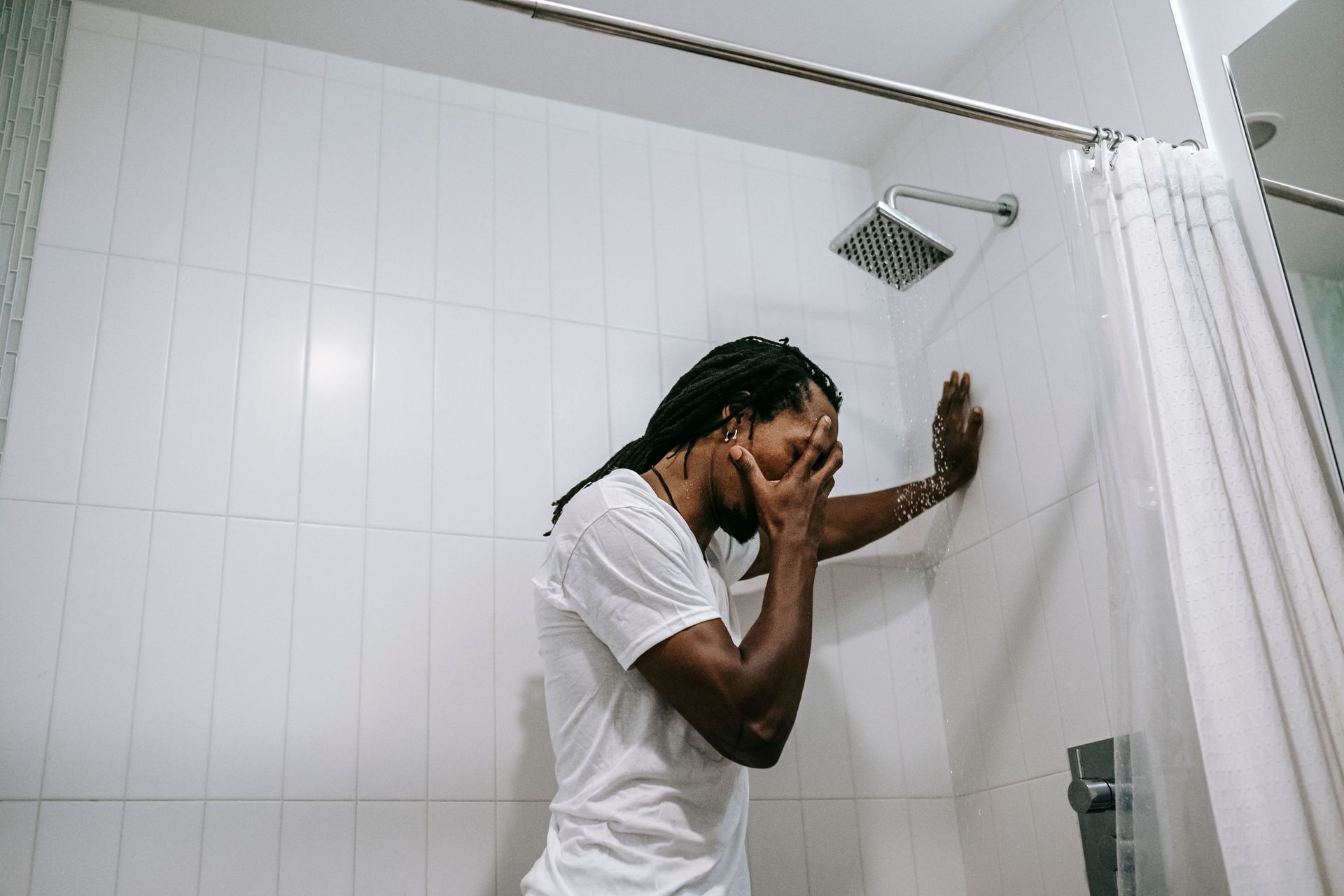
A weak shower can be frustrating, especially when you’re expecting a strong, steady stream of water. Fortunately, there are several common causes of low shower pressure that can often be identified and fixed.
Common Causes and What to Do
When your water pressure suddenly drops or isn't as strong as it used to be, there could be a number of reasons why. Some issues are simple to fix, while others may point to a larger plumbing problem. Below, we'll cover some of the most common causes of low water pressure and what can be done to get your water flowing properly again.
| Where You Notice Low Pressure | Possible Causes | What May Fix It |
|---|---|---|
| One Fixture | Clogged aerator or showerhead, faucet cartridge, or local shutoff valve | Clean or replace the fixture, cartridge, or valve |
| Hot Water Only | Water heater issue, clogged hot-water line, or hot-side valve | Inspect the water heater and hot-water plumbing and repair the restriction |
| Entire House | Main shutoff valve, pressure regulator, leak, clogged pipes, water filter, or municipal supply | Check the main valve, PRV, plumbing system, filter, and incoming water pressure |
| Pressure Recently Dropped | New leak, failing PRV, clogged filter, or developing pipe restriction | Identify the source of the pressure drop and repair or replace the affected component |
Simple At Home Fixes
Before calling a plumber, there are a few simple things homeowners can check themselves. The right fix depends on whether the low pressure is affecting one fixture or the entire home.
- Check the main shutoff valve: Make sure the valve is completely open. A partially closed valve can restrict water flow throughout the house.
- Clean your showerhead or faucet aerator: Mineral buildup and debris can block water flow. Remove the fixture and clean it thoroughly or replace it if needed.
- Check your water filter: If you have a whole-home water filter, a clogged filter can reduce water flow. Check the filter and replace it if it is due for a change.
- Make sure individual fixture valves are open: Check the small shutoff valves underneath sinks and behind toilets to make sure they haven't been partially closed.
- Check for obvious leaks: Look under sinks, around toilets, near the water heater and around exposed plumbing for signs of leaking water.
- Test different fixtures: Turn on several faucets and showers to determine whether the problem is isolated to one fixture or affecting the entire house.
If you've tried these simple fixes and your water pressure is still low, the issue could be related to a pressure regulator, plumbing restriction, leak, mineral buildup or the incoming water supply.
Low water pressure vs low water flow
Low water pressure and low water flow are often used to describe the same problem, but they aren't necessarily the same thing. Understanding the difference can help you figure out where the issue may be coming from.
Low water flow
Low Water pressure
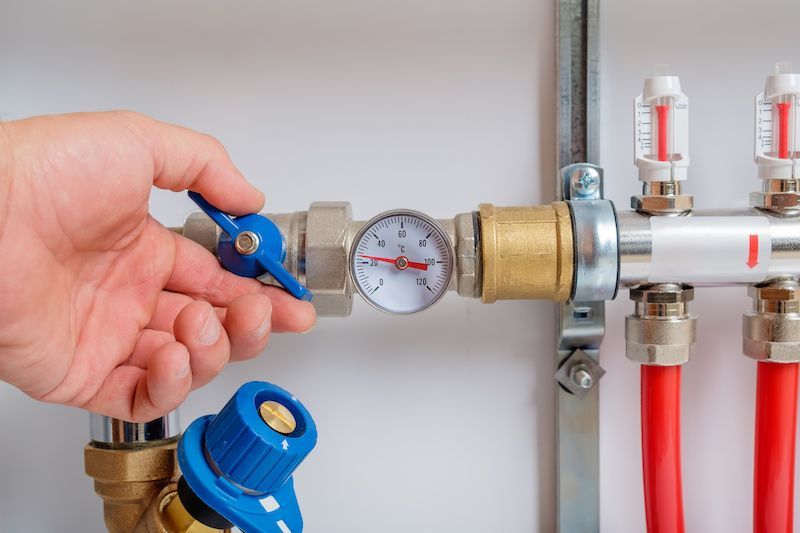
Water pressure refers to the force pushing water through your plumbing system. If the pressure is low throughout your home, the cause could be a problem with the main water supply, pressure regulator, shutoff valve, or another part of your plumbing system.
When to call a plumber
If you've tried simple fixes and your water pressure is still low, it may be time to call a plumber. A plumber can inspect your plumbing system, identify what's restricting the water flow, and recommend the right solution. Addressing the problem early can help prevent further plumbing issues and get your water pressure back to where it should be. MasterCraft Plumbers offers free estimates to help you understand what's causing the problem and determine the best next steps for your home.
Click the yellow button on the bottom right or give us a call to schedule a time for our team to take a look!
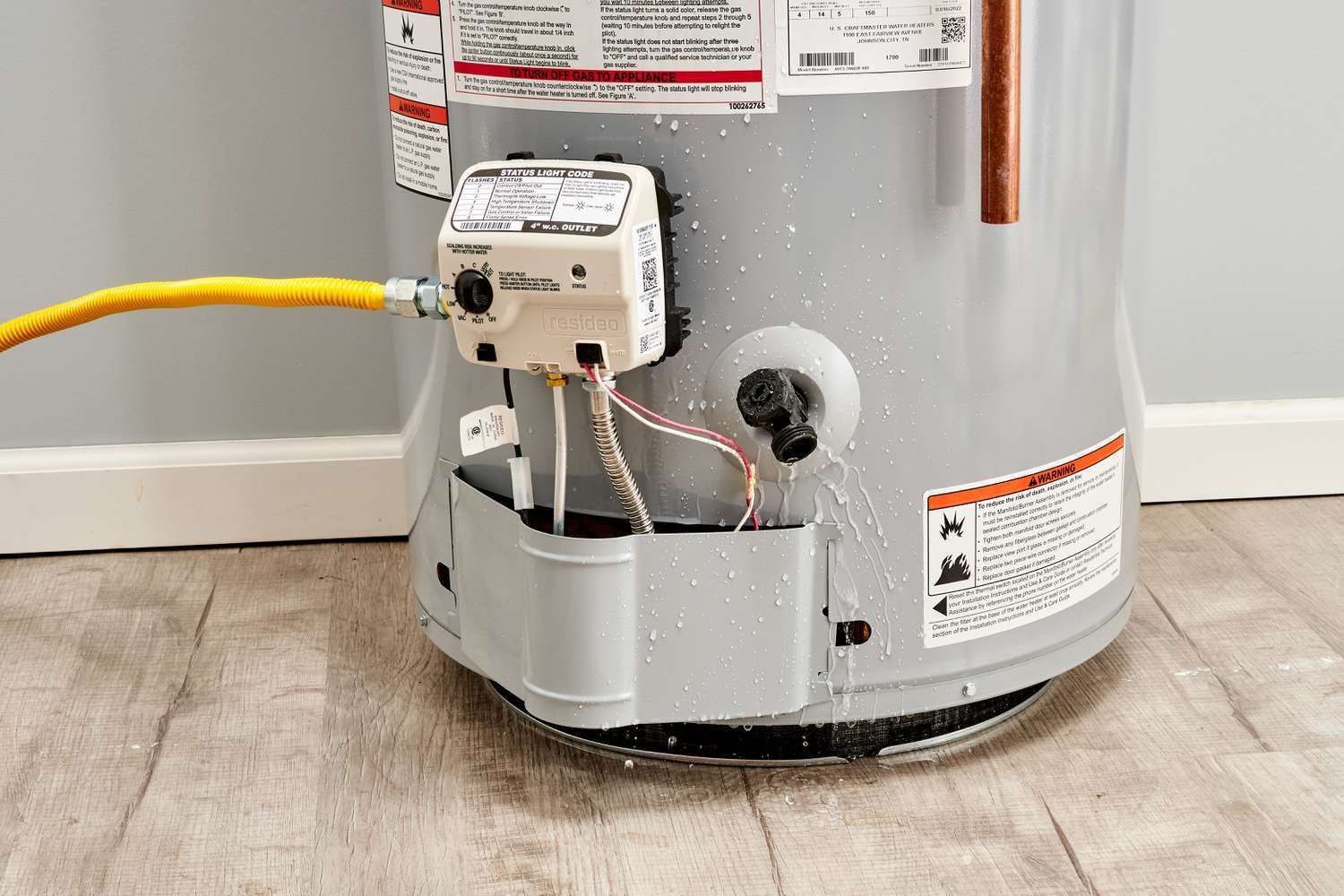
Is your water heater not working like it used to? For San Diego homeowners, factors like the age of the unit, hard water, leaks and frequent repairs can help determine whether a repair or replacement is the better option. Below, we’ll go over some of the most common causes of water heater problems and help you understand when repairing your water heater may make sense versus when replacement could be the better option.
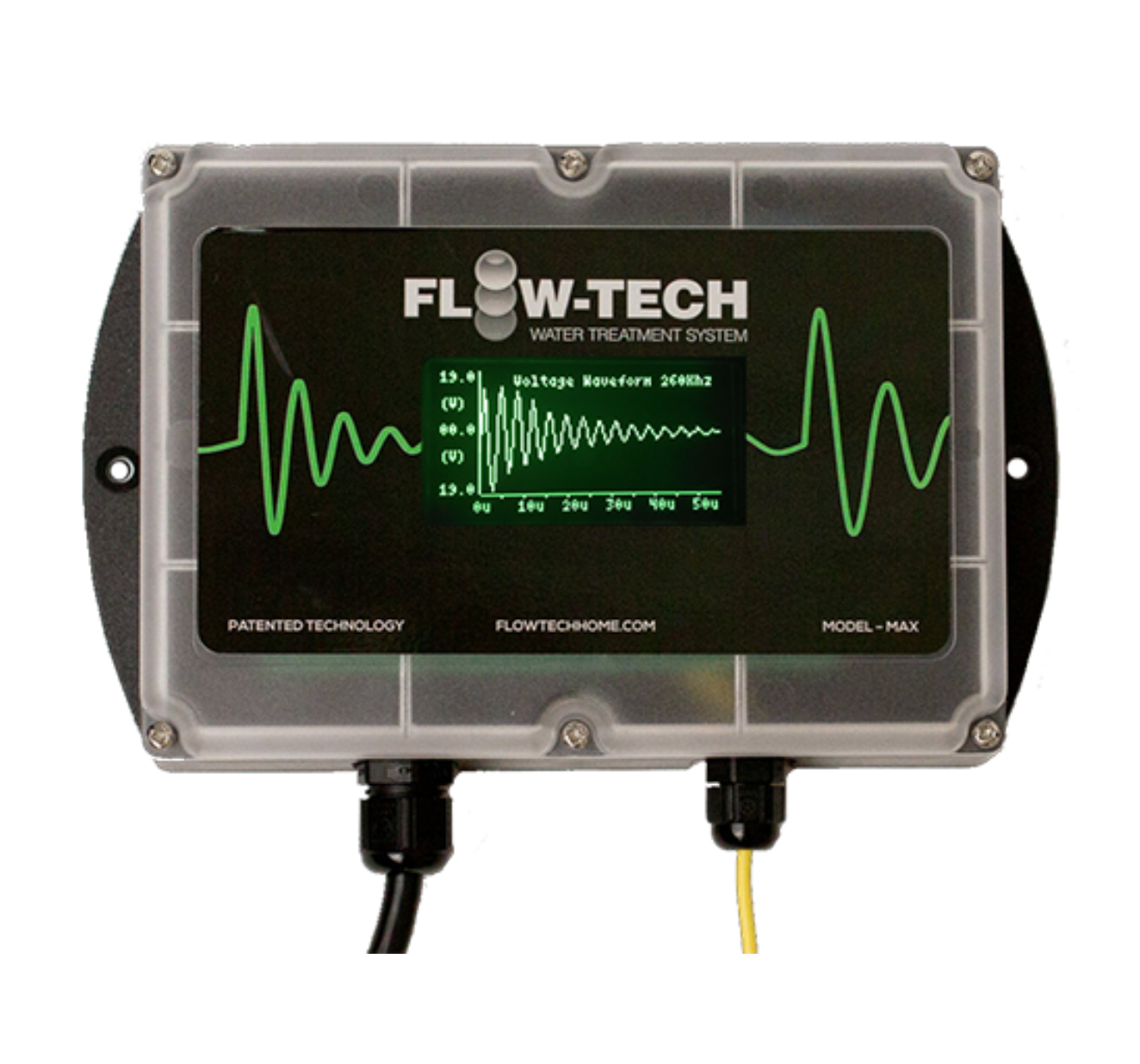
Protect your plumbing, water heater, and appliances with whole-home anti-scale protection—without salt, chemicals, or wasted water. Flow-Tech Home helps prevent and remove scale buildup throughout your home's plumbing system while leaving naturally occurring minerals in your water.